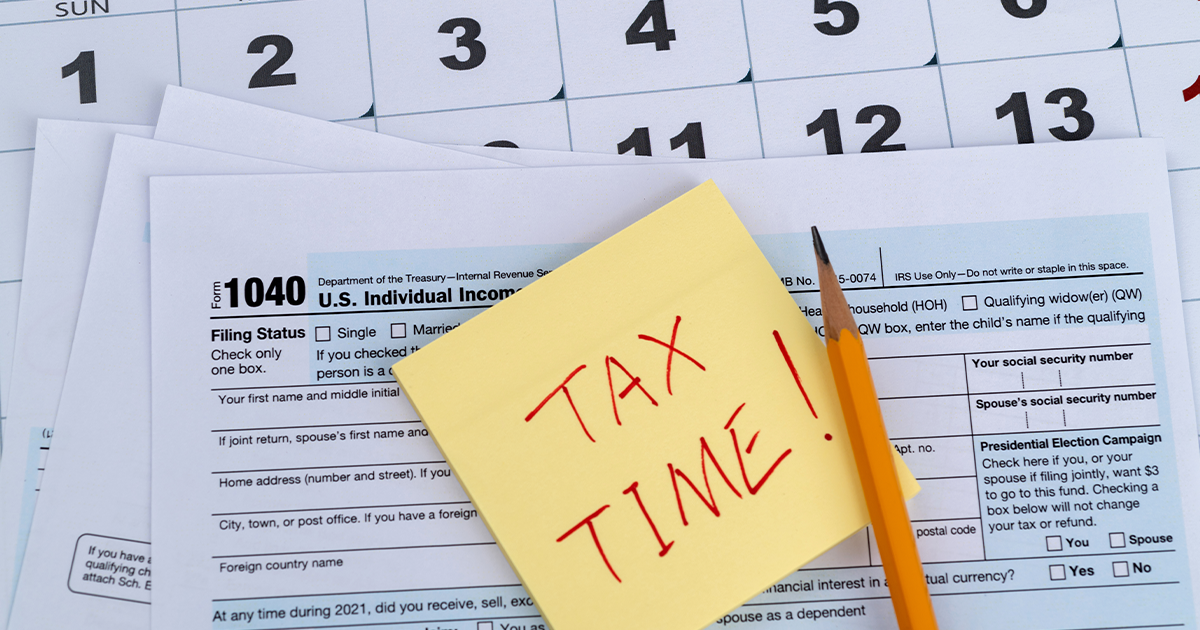











Tax season pushes every part of a CPA firm’s operation and printing often becomes one of the busiest and most overlooked areas. From heavy document volume to tight deadlines and strict security requirements, even small bottlenecks can slow teams down. Understanding the printing demands that surface during this stretch helps firms better prepare, protect client data, keep workflows moving and meet crucial tax filing deadlines.
Below are the key challenges firms face and the strategies that can strengthen operations when workloads peak.
Quick Summary
Tax season puts heavy pressure on CPA firms’ print environments. High document volume, tight deadlines and strict security requirements can create bottlenecks, especially when devices fail or workflows are manual. Unsecured print output also raises compliance risks. By optimizing print infrastructure and adding automation, firms can reduce downtime, protect sensitive data and keep documents moving smoothly. The right tools help teams stay efficient during peak season and maintain strong operations year‑round.
Tax season puts intense pressure on CPA firms and printing needs often skyrocket. Even with digital tools in place, firms often still rely on printed documents for signatures, copies of supporting documents, client packets and required compliance records. This volume of tasks produced in a short window creates a heavy, fast‑moving workload.
Turnaround expectations also spike. Staff need materials ready immediately and any device downtime can slow the entire team. Small revisions often lead to reprints too, adding to the strain on your print fleet.
On top of that, many clients prefer or require printed copies for review and signing. Regulatory requirements may also call for certain documents to be stored in hard copy.
And because tax season demand comes in waves, output can surge without warning. Without the right equipment and workflows, printing (and copying) quickly become a bottleneck during the busiest time of year.
During tax season, printing isn’t just a support function — it becomes a critical part of a CPA firm’s workflow. When devices struggle to keep up, the entire office feels it.
Device downtime is the biggest issue. High‑volume jobs can overwhelm older printers or copiers, leading to jams, slow output or complete shutdowns. When staff are waiting in line or hunting for a working device, productivity drops fast.
Inefficient, manual processes add to the pressure. Teams often spend time reprinting corrected forms, walking to the other side of the building to retrieve documents, or manually collating tax packets. These delays may seem small, but they stack up quickly during peak season.
Another challenge is supply management. Toner can run out faster than expected when volume spikes. Without visibility into usage or automated alerts, firms risk running out of essentials right when deadlines are tight.
All of this creates avoidable friction during the busiest weeks of the year — and highlights why optimized print management makes such a difference.
LEASING CASE STUDY: Sexton & Schnoll CPA
When tax season ramps up, the risks tied to printed documents rise right along with the workload. CPA firms handle some of the most sensitive information clients have, and any gap in print security can expose financial data or create compliance issues.
One of the biggest concerns is unsecured print output. When print output is not secured, financial statements and personal identifiers can sit on trays long after they’re printed, leaving confidential information visible to anyone passing by. In a fast‑moving office, it’s easy for documents to be picked up by the wrong person or misplaced altogether.
Older or unprotected devices also create vulnerabilities. Unsecured printers and multifunction devices can serve as entry points to a firm’s network, especially if authentication, encryption or access controls aren’t in place. During peak tax season, firms print more, move faster and have less time to monitor these risks.
Compliance adds another layer of pressure. Firms must protect personally identifiable information and follow strict handling and retention requirements. Without secure printing practices or audit trails that track who printed what, it becomes harder to meet regulatory expectations.
For CPA firms, tightening print security isn’t just smart — it’s essential to maintaining client trust and staying compliant during the busiest time of the year.
Even the most organized CPA firms feel the strain of tax season, and many of those pressures show up in day‑to‑day workflows tied to printing.
One of the biggest hurdles is collaboration across multiple offices or hybrid teams. When staff work in different locations, it’s harder to keep documents consistent. Different versions of returns, engagement letters or financial statements can circulate at the same time, which often leads to reprints, extra revisions and unnecessary delays.
Routing documents through the review process is another pain point. Approval cycles in accounting are complex, often involving partners, managers and clients who all need to sign off. When multiple people are reviewing paper documents, it can be difficult to track what’s been completed and what’s still waiting for attention.
These challenges create small but constant interruptions during the busiest time of year — and they add up fast. Streamlined workflows and better print automation help firms move faster, stay accurate and avoid the back‑and‑forth that slows teams down when every hour counts.
The right print strategy can transform tax season from a reactive scramble into a smooth, predictable workflow. For CPA firms, an optimized print environment helps reduce downtime, improve security and keep teams moving even when workloads spike.
One of the biggest advantages is centralized print management. Firms gain visibility into device health, supply levels and usage patterns, which makes it easier to prevent bottlenecks. Automated alerts keep devices running, and strategic placement of equipment reduces long walks and workflow interruptions.
Secure printing adds another layer of protection. Pull‑print solutions ensure documents only release when the authorized user is at the device, which eliminates abandoned paperwork, reduces compliance risks and protects client data during the busiest time of year.
Optimized environments also support better cost control. By analyzing usage trends, firms can right‑size their fleet, eliminate unnecessary prints and build more predictable budgets. High‑capacity, enterprise-level devices further reduce strain by handling peak volume without jams or slowdowns.
Together, these improvements create a more reliable, efficient and secure print ecosystem — exactly what CPA firms need when every deadline matters.
Automation can be a game changer for CPA firms, especially during tax season when every minute counts. By reducing manual steps and tightening up document workflows, firms can keep projects moving, improve accuracy and give staff more time to focus on client needs instead of paperwork.
One of the biggest advantages is the ability to digitize manual processes. Automated routing tools can move returns and supporting documents through review cycles without the back‑and‑forth that slows teams down. Instead of printing multiple copies or chasing signatures, staff can route documents electronically, then print only what’s needed.
Automation also improves consistency across the entire firm. When tools integrate with a document management system, files move seamlessly between print, scan and storage. That reduces duplicate work, prevents version control issues and makes it easier for teams in different offices to stay aligned.
For CPA firms supporting hybrid or remote staff, automation creates a centralized hub where everyone accesses the same information. With fewer manual touches and clearer visibility, firms can work faster, reduce errors and keep tax season workflows running smoothly.
When CPA firms strengthen their print environment and streamline document workflows, the payoff shows up quickly — especially during tax season. With fewer device issues and clearer visibility into print activity, teams spend less time troubleshooting and more time serving clients. Reliable equipment and automated workflows help firms keep up with tight deadlines, avoid last‑minute delays and maintain consistent output even when volumes surge.
A more secure print process also protects confidential financial data and supports compliance requirements. Pull‑print tools, authentication and proper device controls reduce the risk of misplaced documents or unauthorized access, which helps firms maintain client trust.
Beyond peak season, firms benefit from long‑term cost control. Right‑sized fleets, reduced waste and just-in-time toner cartridge replacement lead to more predictable budgeting and lower overall operating costs. With the right strategy in place, printing becomes a smooth, dependable part of the firm’s daily operations rather than a source of stress when workloads spike.
Tax season puts extraordinary demands on CPA firms, and printing often becomes one of the biggest stress points. By strengthening print security, streamlining workflows and optimizing device performance, firms can protect sensitive information, reduce downtime and keep teams moving at full speed. The right print strategy not only supports busy season operations but also improves efficiency and cost control all year long.
Contact Gordon Flesch Company today, for a printing needs assessment.